Current Projects
I. Understanding Irrigator Decision-Making to Design for Drought in the Upper Missouri Headwaters
Montana Water Center Faculty Seed Grant
The rivers of Southwest Montana wind through a patchwork of public and private lands while supporting important biodiversity as well as rural agricultural and recreation economies. Given the competing demands for water are largely socially driven, there is a need to understand the social dimensions shaping water use. This project focuses on understanding irrigators’ decision-making including how and why they make the water decisions they do, particularly in times of drought. Understanding how and why illuminates the driving factors influencing decisions, from experiential, place-based knowledge to individual, economic, socio-cultural, and structural factors that shape water use decisions. One project goal is to use this knowledge to align water management with on-the-ground needs as well as improve acceptance of drought management strategies moving forward. Another project goal is to engage and train undergraduate students at the University of Montana Western in applied social science research and science communication.
This research project is funded by the Montana Water Center, NIWR, and USGS
II. The US Sheep Station Rangeland Collaboratory – A Living Laboratory
Designing Adaptive Management in the Greater Yellowstone Ecosystem
StoryMap coming soon.
III. Collaborator, Co-Developing Criteria for White Bark Pine Friendly Ranching
SARE Western Professional and Producer Grant
The goal of this project is to advance sustainable grazing practices in high-elevation mountain ecosystems by improving the science on how grazing interacts with a threatened tree species, the white bark pine (Pinus albicaulis). This project addresses rangeland-based sheep and cattle production, as well as backcountry outfitting agricultural businesses. Specifically, producers, researchers, and students will collaborate to conduct forest mapping and monitoring, a grazing experiment, and oral history interviews that will feed into the development of a prototype “White Bark Pine Friendly Ranching” certification protocol. Working in Montana and Idaho, our team will co-develop and deliver the research findings to ranchers, conservation groups, managers, and students through a novel outreach and education program that involves online and in-person training activities led by the University of Montana-Western.
This work is supported by the Sustainable Agriculture Research and Education (SARE) program under a cooperative agreement with the University of Maryland, project award no. 2024-38640-42986, from the U.S. Department of Agriculture’s National Institute of Food and Agriculture.
IV. Past Cohort Member, Energy Research Expansion Cohort, Second Nature
I am interested in engaging undergraduate students in both renewable energy transitions research and climate action in Montana:
- With expanding solar and wind farms in Montana and a brand new 80MW Solar Farm in Dillon, MT (which has plans to double in size), I am eager to engage students in examining local renewable energy transitions and connect findings to other rural mountain environments.
- There is also a need for climate action plans for The University of Montana Western, the city of Dillon, MT and, Beaverhead County. I am excited to have students help build climate resiliency locally through climate adaptation, climate mitigation, and climate justice activities.
For both of these projects, a key outcome will be expanding energy systems curriculum as part of the BS Environmental Sustainability program at The University of Montana Western.
Past Projects
Undergraduate students at the University of Montana Western created a storymap titled, “The Future Isn’t Written: The Past, Present and How You Can Be Involved Moving Forward” about the Warm Springs Ponds near Anaconda, MT.
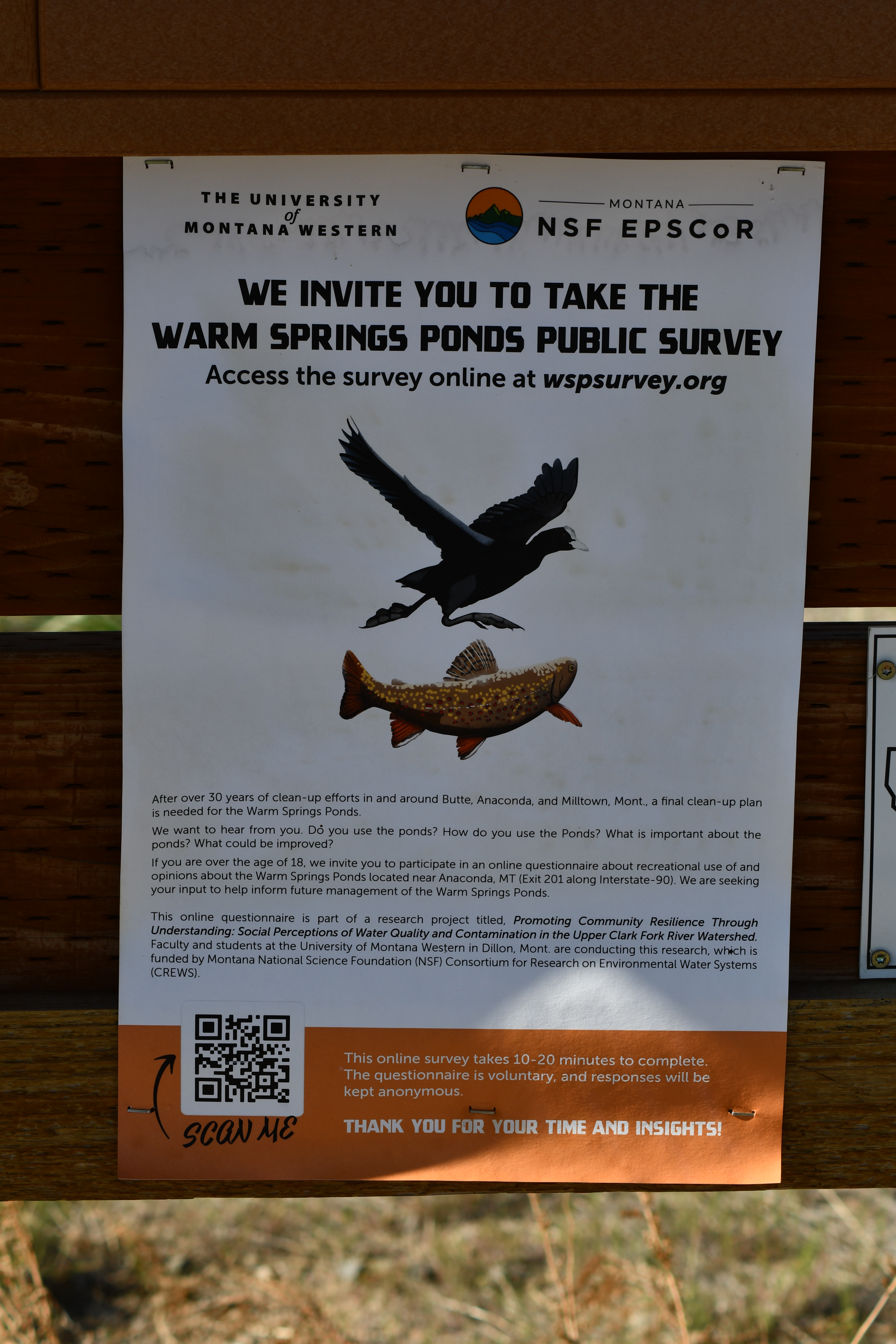
Water quality contamination is an ongoing challenge in the Upper Clark Fork River. A recent survey of public perceptions of water quality at the Warm Springs Ponds highlighted a disconnect between water quality issues and public understanding. There was a need to connect water quality science with communities in the Upper Clark Fork Watershed. Building public understanding is particularly important as the public helps inform reclamation and restoration activities. Furthermore, there is a need to train the next generation of reclamation and restoration specialists to understand the multi-faceted dimensions of water quality and effectively communicate these complex issues in a way that is informative and accessible to public audiences. This water quality analysis and communication project engaged undergraduate students at the University of Montana Western in water quality education as well as trained them in data analysis and science communication with the added benefit of helping connect water quality science with public understanding in the Upper Clark Fork Watershed.
This research project was funded by Montana National Science Foundation (NSF) Consortium for Research on Environmental Water Systems (CREWS).
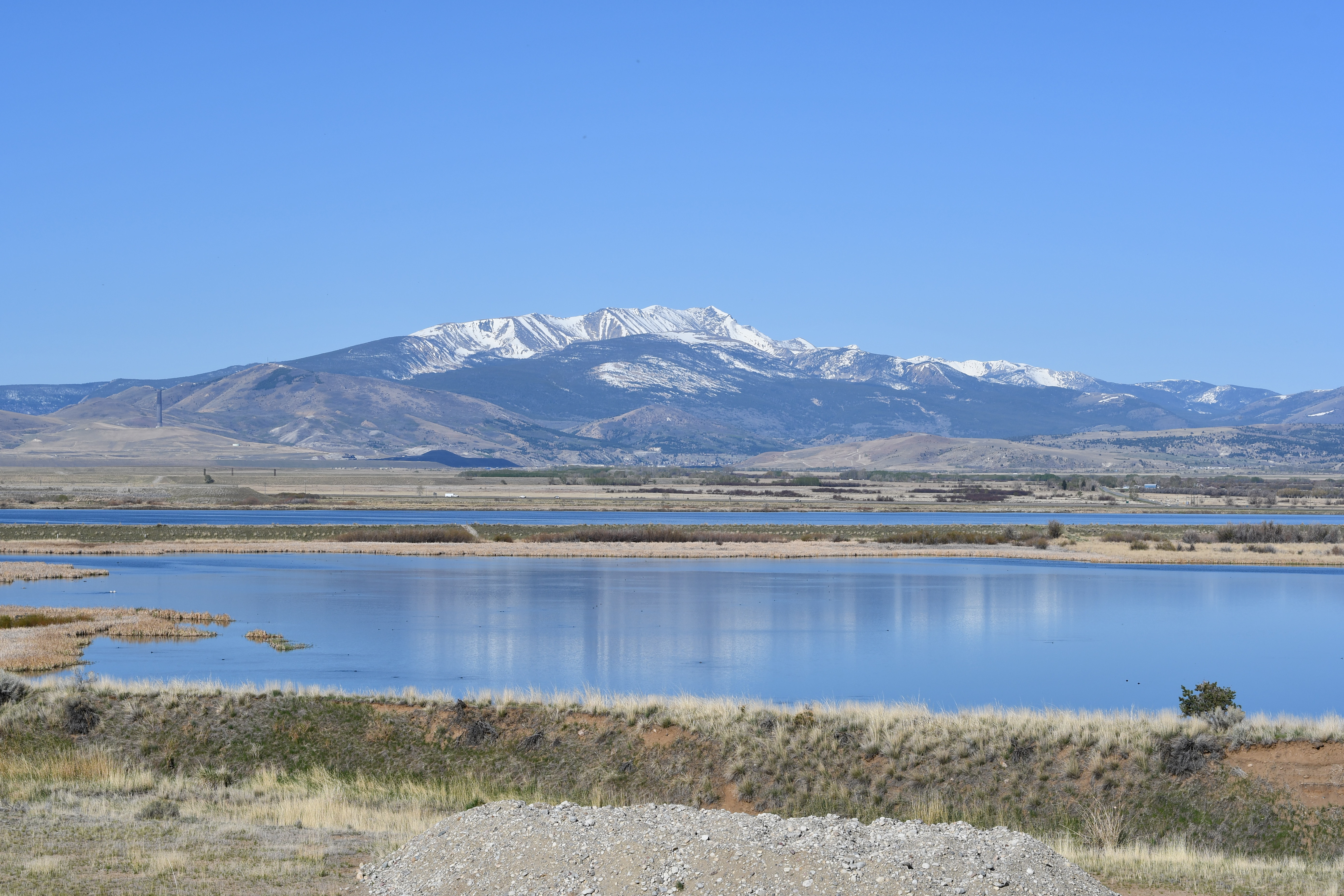
Students at the University of Montana Western (UM Western) sought to understand the public’s use of and perceptions of the Warm Springs Ponds near Anaconda, MT. While these ponds are locally known for growing trophy-sized trout and providing critical habitat for migratory birds, their main purpose is treatment and containment. These settling ponds work to limit heavy metals from entering the Upper Clark Fork River and hold more than 19 million cubic yards of contaminated sediment.
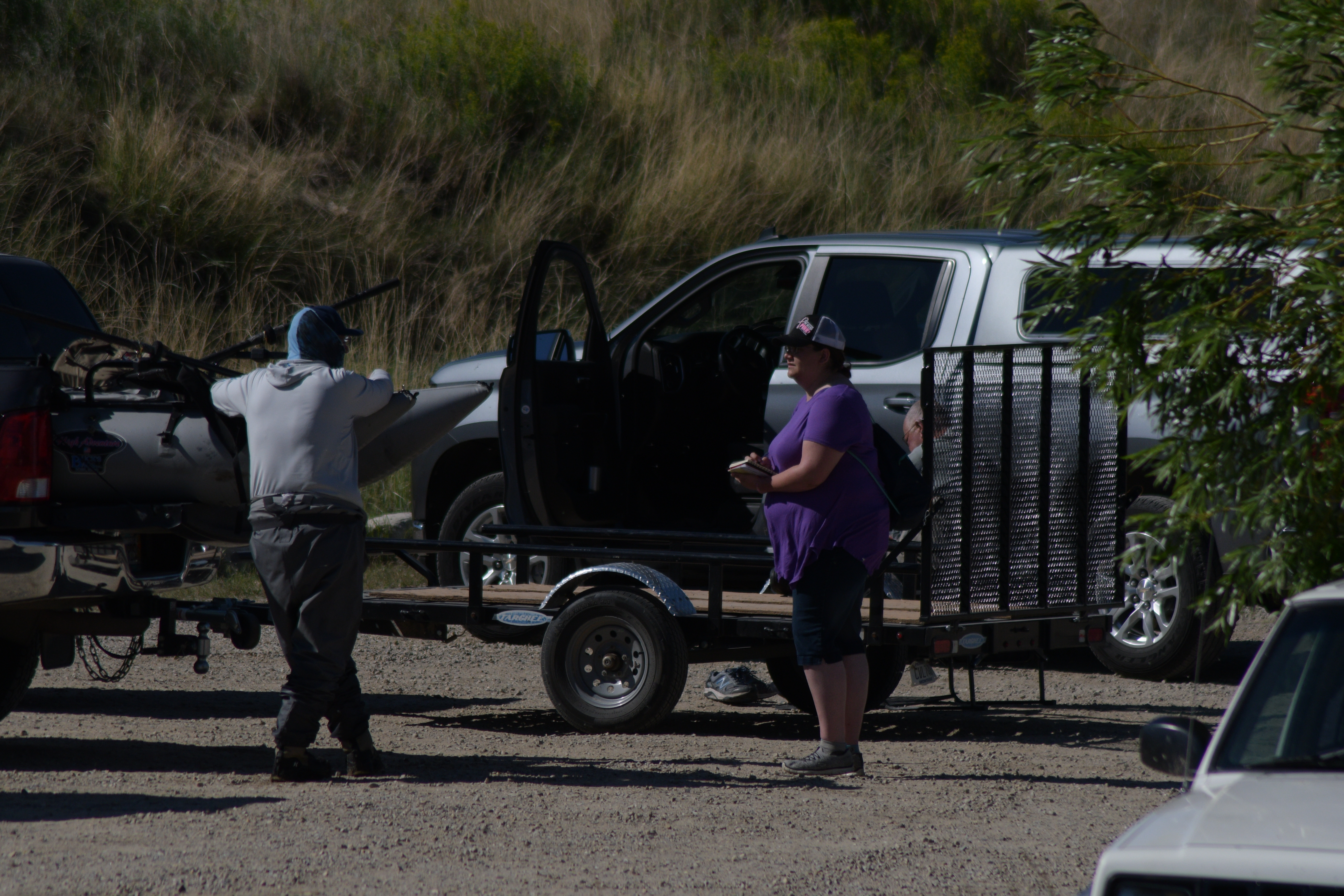
By training UM Western students in social science research design and application, students worked to document recreational use and public perceptions of water quality and contamination of the Warm Springs Ponds. Students learned first-hand both the challenges and rewards of collecting observation, survey, interview, and public records data as well as practicing how to relay knowledge to decision-makers that is both accessible and usable. This project was completed in close collaboration with ARCO, U.S. EPA, Montana Fish, Wildlife & Parks, Montana Natural Resource Damage Program (NRDP), and the Clark Fork Coalition to help inform future management decisions about the Warm Springs Ponds.
Survey results are posted here.
This research project was funded by Montana National Science Foundation (NSF) Consortium for Research on Environmental Water Systems (CREWS).
Nepal’s Hydropower Boom and its Implications for Water Resources: Challenges and opportunities at the intersection of food and energy production in the Gandaki River Basin
U.S. Borlaug Fellow Research Grant in Global Food Security
Renewable energy development is booming. As small hydropower projects spread throughout the Himalaya, I want to ensure this development works for, not against, local people. I am documenting the impacts of small hydropower development on water and food security and engaging stakeholders to devise community-driven strategies that bridge water needs for hydropower development and agricultural livelihoods. Ultimately, my goal is to use this knowledge to inform policy and decision-makers and create more just transitions to renewable energy in mountain communities.


Confluencenter for Creative Inquiry Graduate Fellow
Our world is changing—rapidly. To understand these changes and how best to adapt, there is a need for new ideas, new perspectives, and new voices across the social and physical sciences. As both a scientist and an educator, I strive to find new and effective ways to communicate science. While digital tools are readily available and can enhance science education and communication, they are often underutilized. To expand the use of digital tools in academia, I am developing a blog that offers a living space to showcase digital tools for science communication. Tools that can catalyze people to question, explore, and discover new knowledge and insight into our ever-changing world.
Renewable Energy Network Summer Fellowship
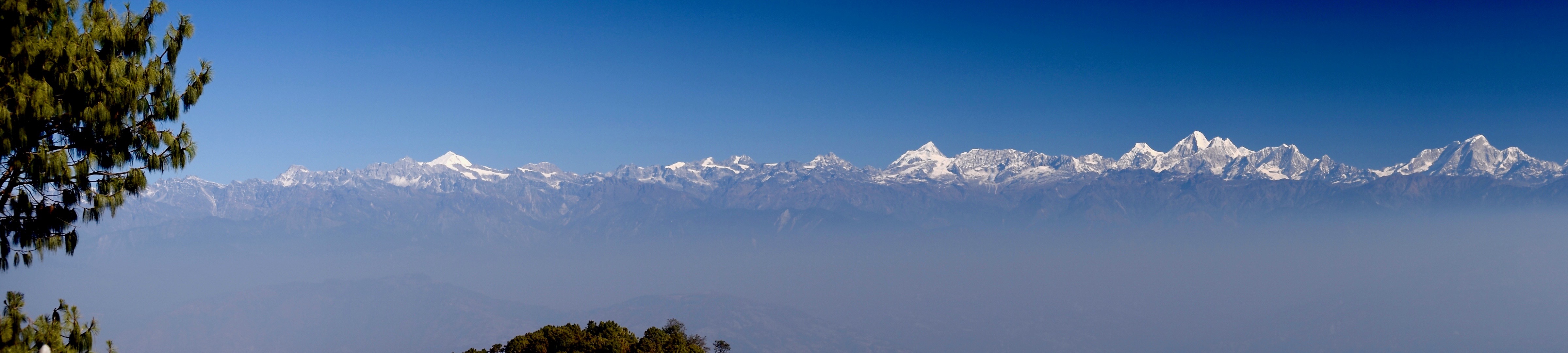
Across the Himalayas, water diversions to produce electricity are reducing the availability of water for food production and threatening food security. Hundreds of projects are currently in construction as energy policies and economic incentives fuel a rapid expansion of small hydropower. Despite the label ‘small’, these water diversions are profoundly affecting rural mountain communities.
During the summer of 2016 I traveled to Dehradun, India and Kathmandu, Nepal to explore how water diversions for small hydropower are affecting water availability for both irrigation and ecological river flows. This research was conducted in collaboration with the HI-NEX project (discussed below) and was incorporated into science-policy dialogues in Uttarakhand, India.
Carson Scholar Program
As a Carson Scholar, I spent a year working with mentors at the University of Arizona’s Institute of the Environment to enhance my communication skills. The program included public writing workshops as well as how to communicate my research with media outlets and outreach organizations to more effectively connect my research with diverse audiences.
Irrigation-Hydropower Nexus in the Ganges Headwaters (HI-NEX)
Consultative Group on International Agricultural Research (CGIAR) Funded
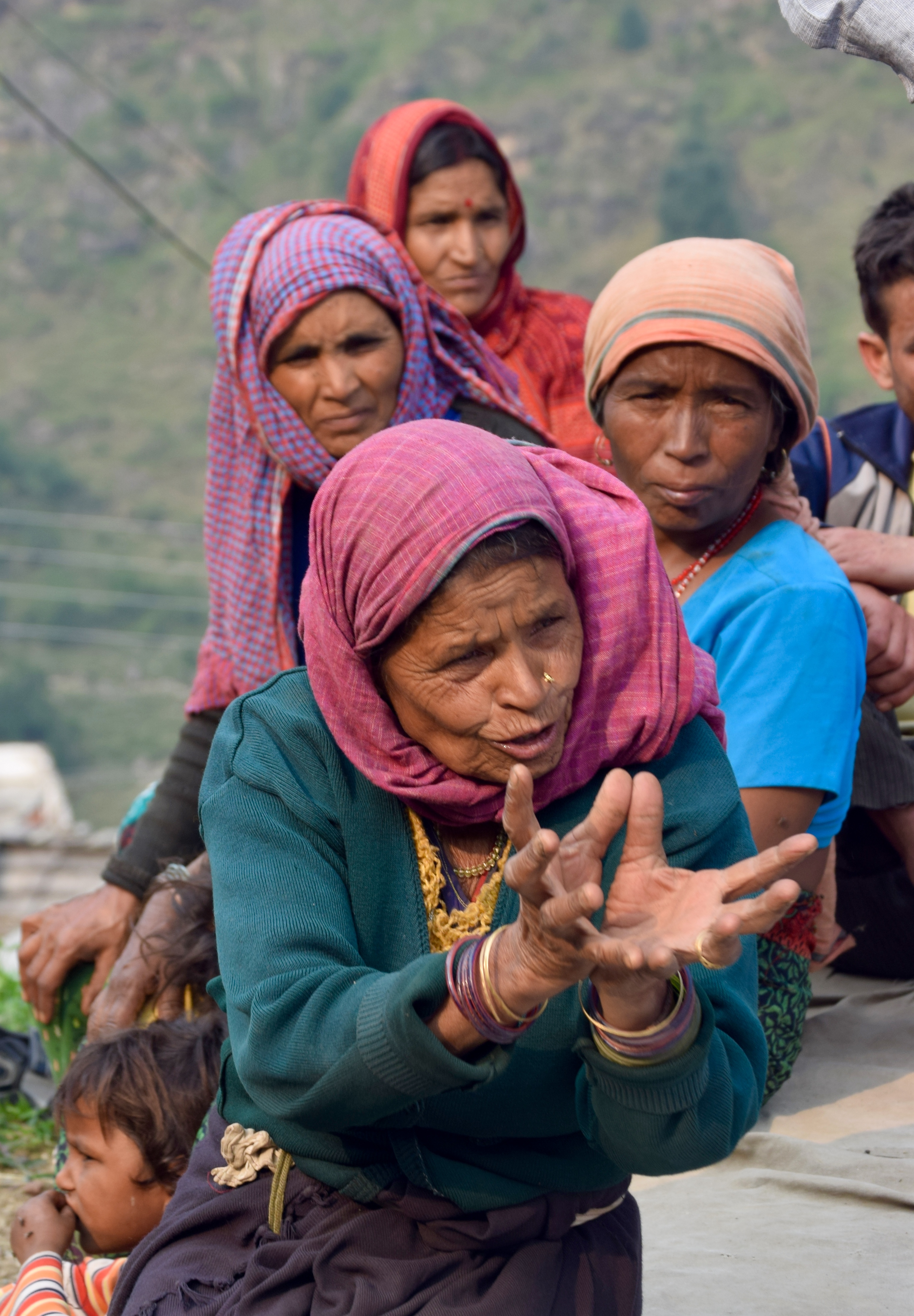
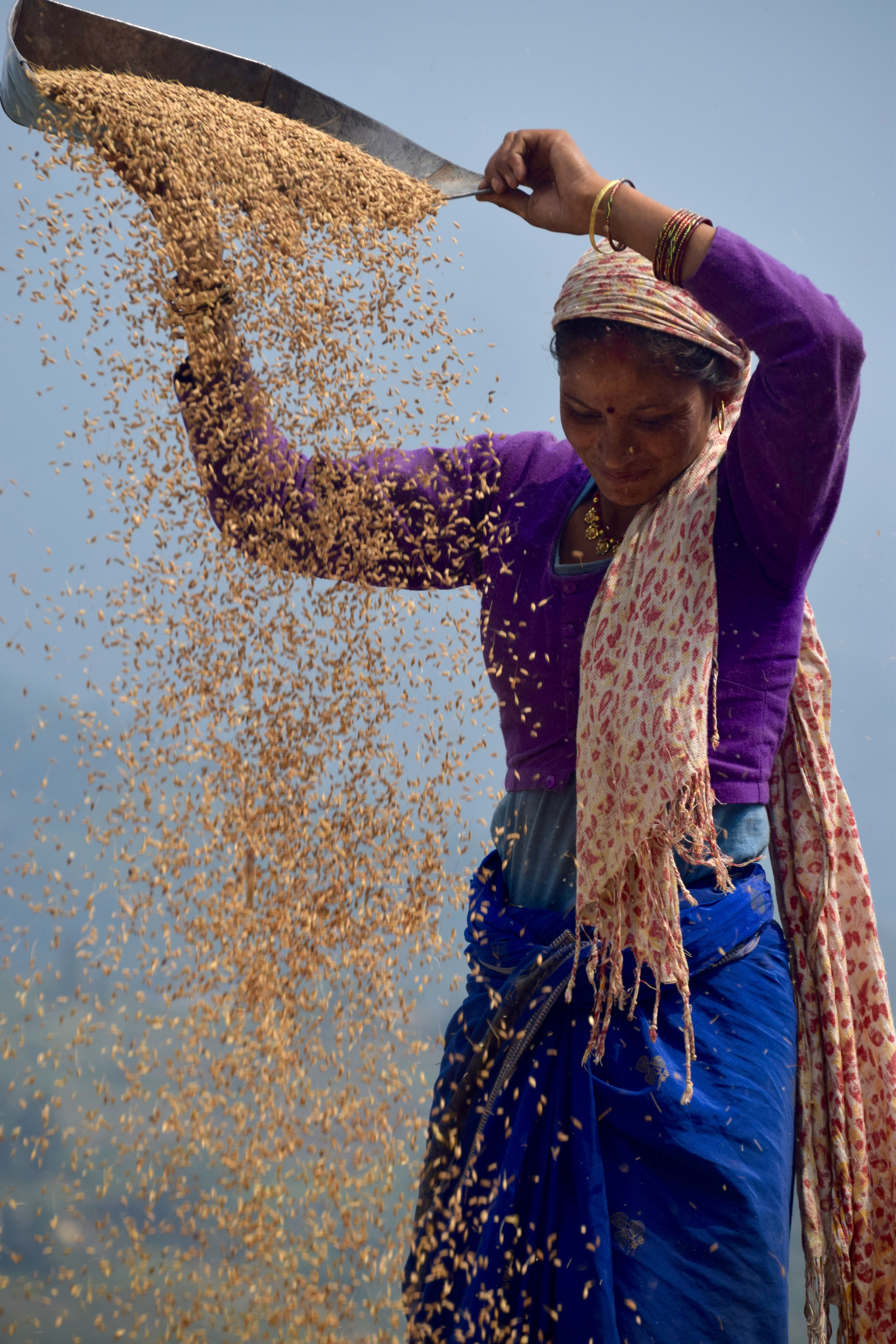
In Uttarakhand, India, hydropower is rapidly being developed. While this energy source holds appeal for climate mitigation, it has the potential to impact small-scale irrigation, ecosystem services and sensitive habitats. Through interdisciplinary social-ecological systems research, our project team aimed to understand the tradeoffs between hydropower and irrigation in the Bhilangana River Basin. By coupling our research with policy and decision-makers, this science-policy dialogue project worked to improve rural livelihoods, safeguard critical ecosystem services and offer irrigation-hydropower nexus lessons for headwaters regions across the Himalayas.

Assessing Water Resources in Khorezm, Uzbekistan
For my mater’s thesis I evaluated biological, chemical and physical properties of small irrigation-fed lakes in Khorezm, Uzbekistan for the development of aquaculture. My research included:
- Collaborating with German and Uzbek scientists and policy makers
- Leading lake coring expeditions in Khorezm, Uzbekistan
- Assisting with microbial microcosm experiments in Tashkent, Uzbekistan
- Performing pollen cooks on Khorezm lake core samples at U.C. Berkeley

 Arica Crootof